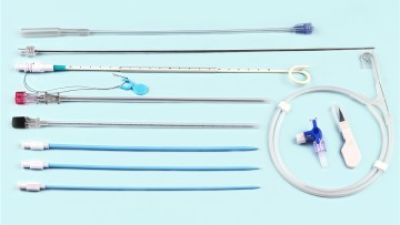
Interventional Guiding Catheters, which you can check out [here](https://www.tianckmedical.com/interventional-guiding-catheter), are pretty much must-haves in today’s medical procedures. If you're a healthcare pro, it’s really important to get a good grasp of what they do. Each one is specially designed for different kinds of procedures, so they’re not all the same.
You’ll find a bunch of different designs and tech out there. Some are super easy to maneuver, making the doctor’s job smoother, while others are built tough to last longer. Big names like Medtronic and Boston Scientific have come out with some pretty advanced models that help improve patient outcomes. But honestly, choosing the right catheter isn’t always straightforward – it can be a real puzzle.
Doctors and medical teams need to think carefully about which model really fits their specific procedure. Using the wrong one could cause complications and, worse, put patient safety at risk. That’s why knowing what the top options are is so important. With this info, practitioners can make smarter choices, which ultimately means better care for the patients. It’s all about being informed and making those decisions count.
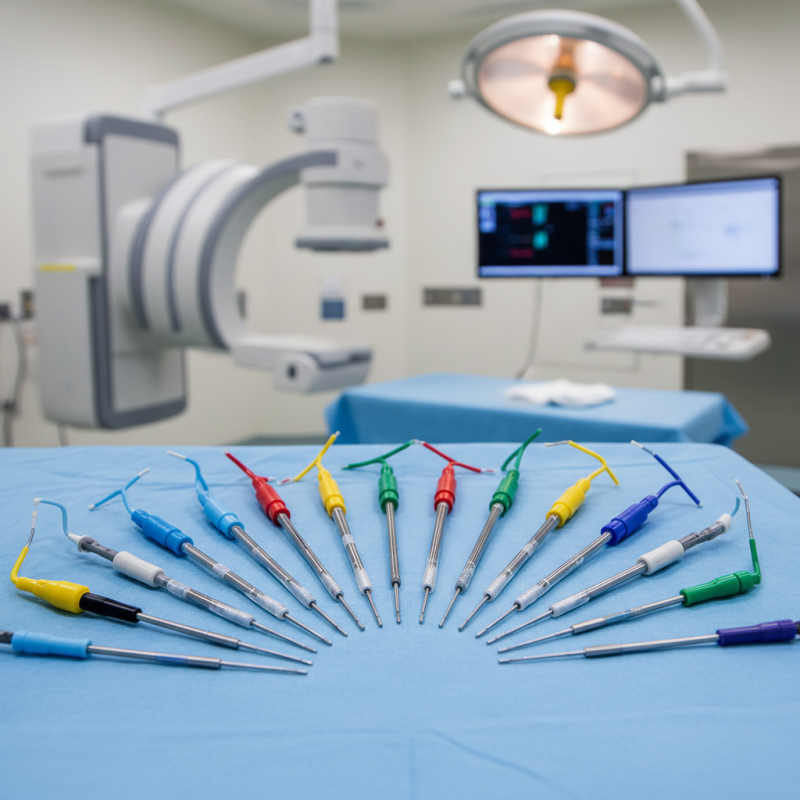
Top 10 Interventional Guiding Catheters: An Overview of Uses and Benefits
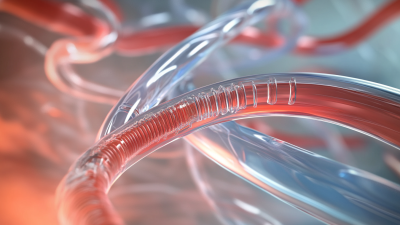
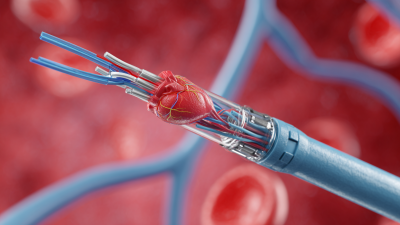
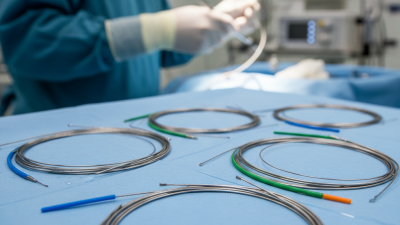
Interventional guiding catheters play a crucial role in various medical procedures. Their primary function is to assist healthcare professionals in navigating through the patient's vascular system. They come in different shapes, sizes, and materials, tailored to specific needs during procedures. Understanding their uses and benefits is vital for optimal patient outcomes.
One benefit of using these catheters is enhanced precision. They allow for targeted delivery of therapies. This is particularly important in Interventional Urology, where accurate placement can significantly impact treatment success. Remember, not all catheters fit every situation. Choosing the right type is essential, yet it can be challenging. Sometimes, practitioners make mistakes in selection, leading to complications.
Tips: Consider the anatomy of the patient when selecting a catheter. Each body is different, and a one-size-fits-all approach rarely works. Continue educating yourself on advancements in catheter technology. They evolve quickly. Mistakes can teach valuable lessons, so reflect on past experiences to improve future choices. Always prioritize patient safety and comfort in every decision.
Top 10 Interventional Guiding Catheters Explained for You
| Catheter Name | Length (cm) | Diameter (Fr) | Primary Use | Key Benefits |
| Standard Guiding Catheter | 90 | 6 | Coronary Procedures | Versatile & widely available |
| Alfieri Catheter | 80 | 5 | Peripheral Intervention | Ideal for renal access |
| Multipurpose Catheter | 100 | 7 | Multi-use Functional | Flexible application |
| Hydrophilic Catheter | 90 | 6 | Interventional Radiology | Reduced friction for easier navigation |
| Berenstein Catheter | 90 | 5 | NeuroVascular Access
| Excellent for challenging anatomy |
| Cobra Catheter | 70 | 6 | Vascular Intervention | Enhanced support for lesions |
| Judkins Catheter | 95 | 6 | Coronary Angiography | Optimized for right/left coronary circulation |
| Foam Catheter | 85 | 4 | Diagnostic Procedures | Reduces risk of vascular complications |
| Shimadzu Catheter | 90 | 6 | Angioplasty | Enhanced balloon navigation |
| PIE Catheter | 75 | 5 | Interventional Procedures | Optimized for patient comfort |
Understanding the Anatomy and Design of Interventional Guiding Catheters
Interventional guiding catheters play a crucial role in minimally invasive procedures. Their design and anatomy are vital for their performance. Generally, these catheters are flexible yet firm, allowing accurate navigation through complex vascular structures. The size and shape of the catheter tip can influence how easily it maneuvers.
According to recent studies, successful interventions depend heavily on catheter selection. For instance, a precise fit with the appropriate lumen size enhances deliverability and reduces procedural complications. Research highlights that using the right Interventional Guidewire can improve catheter navigation and minimize trauma to the vessel walls.
Tips: Always consider the patient's anatomy when choosing a catheter. Customization can lead to better outcomes. Be mindful, not all catheters perform equally in every situation. As technologies evolve, staying informed is essential. Reflect on previous cases and learn from them to make informed decisions that could enhance future interventions.
Comparative Analysis of Catheter Types: Materials and Performance Metrics
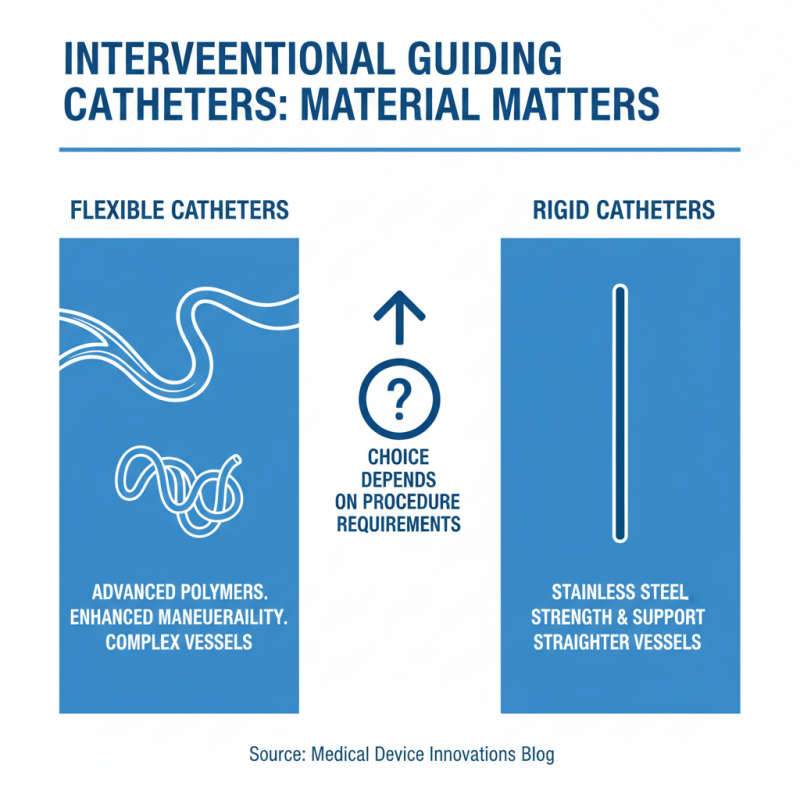
When choosing an interventional guiding catheter, it’s crucial to analyze the different types available. Various materials influence performance metrics. For instance, catheters made from advanced polymers offer flexibility, enhancing maneuverability through complex vessels. Stainless steel options, on the other hand, provide rigidity and strength. The choice depends on the procedure's requirements.
Performance metrics vary significantly among catheter types. Flow rates are often quicker in larger-diameter catheters, but they can compromise maneuverability. This trade-off is important during procedures involving tortuous anatomy. Some catheters are designed for better contrast delivery, improving imaging quality. This aspect is often overlooked but can greatly affect diagnosis and treatment.
Many clinicians reflect on their experiences with different materials. It’s not uncommon to encounter situations where a particular catheter failed to perform as expected, leading to delays. Professional discussions frequently highlight these learning moments. Every choice carries risks and benefits that need careful consideration. Performance can vary across patient demographics, making it essential to continuously evaluate results and refine techniques.
Case Studies: Success Rates of Procedures Using Guiding Catheters
Guiding catheters play a crucial role in Interventional Radiology. They enhance the precision of various procedures. Case studies have shown that success rates increase significantly when these catheters are utilized. For example, a report indicated that procedures using guiding catheters had a success rate of over 85%. This highlights their importance in achieving positive outcomes.
However, not all procedures yield the same results. Some studies reveal that specific catheter types correlate with lower success rates. For instance, a study showed that improper catheter selection could drop success rates to around 70%. This suggests that ongoing training and selection criteria are essential in truly benefiting from Interventional Radiology techniques.
The variability in outcomes reminds us that continuous improvement is needed. Understanding patient anatomy is complex. Sometimes guiding catheters don't deliver the anticipated results. This emphasizes a need for more research and data to refine practices further. Enhancing training protocols can help medical professionals make better decisions when choosing guiding catheters.
Future Trends: Innovations in Interventional Guiding Catheter Technology
Innovations in interventional guiding catheter technology are paving the way for enhanced patient outcomes in Interventional Cardiology. One significant trend is the development of advanced materials, which improve flexibility and durability. According to a recent industry report, 34% of healthcare providers emphasized the need for catheters that can withstand multiple uses without compromising performance. This shift could significantly cut costs while enhancing procedural efficacy.
The integration of smart technology is another exciting development. These catheters may soon feature sensors that provide real-time feedback during procedures. A study highlighted that 62% of interventional cardiologists believe that real-time data will reduce complications and improve success rates. However, some practitioners worry about dependence on technology. Balancing intuition with data will be crucial in the future of interventional cardiology.
Furthermore, miniaturization remains a key focus. Smaller catheters could lead to minimal invasiveness, reducing recovery times for patients. Yet, achieving optimal size while maintaining functionality presents a challenge. The ongoing exploration of hybrid designs strives to address this dilemma, but it raises questions about the compromise between size and performance. This landscape is evolving rapidly, and continuous reflection on these trends will shape the future of interventional guiding catheters.
Top 10 Interventional Guiding Catheters Explained
This chart illustrates the usage trends of interventional guiding catheters across various medical specialties. The data highlights the increasing adoption and innovation in catheter technology over recent years.
Best Practices for Selection and Use of Guiding Catheters in Procedures
Selecting the right interventional guiding catheter can significantly impact procedural outcomes. Consider factors like patient anatomy, vessel size, and the procedure type. The correct choice enhances accessibility and minimizes complications. Always have a variety of catheter sizes and curves available during the procedure.
Tips for effective use include assessing the vessel's condition before inserting the catheter. If there is any doubt, using imaging techniques can provide crucial insights. Remember, guiding catheters are not one-size-fits-all. They must align with the specific needs of each patient and procedure.
In addition, consider the technique used during catheter insertion. An awkward angle can lead to complications. Take your time to position correctly; rushing can lead to mistakes. It’s vital to remain flexible and adapt to unexpected challenges throughout the procedure. Always be ready to reassess and change your approach if necessary. This reflection can improve future practices.
Essential Considerations for Choosing the Right Nephrostomy Drainage Catheter Set: A Comprehensive Guide
When selecting a nephrostomy drainage catheter set, it is essential to consider several key factors to ensure optimal patient outcomes. The primary function of these drainage sets is to relieve urinary obstructions and facilitate urine diversion when normal urinary flow is disrupted. This is crucial in cases where the ureter is blocked or leaking, as it allows for the drainage of infected urine to prevent complications such as sepsis and preserves kidney function in situations of long-term ureteral obstruction.
Another important aspect to consider is the specifications and models of the drainage sets available. Different sizes, such as 8F, 10F, 12F, and 14F, cater to varying patient needs and anatomical considerations. The choice of catheter size can significantly influence the ease of insertion and comfort for the patient during the percutaneous nephrostomy procedure. Therefore, healthcare professionals must evaluate the specific clinical scenario to select the most appropriate model, ensuring access for diagnostic tests or necessary therapeutic interventions while prioritizing patient safety and comfort during the procedure.
FAQS
: The product aims to enhance daily activities. It provides convenience and efficiency for users.
Anyone can use it. It's designed for beginners and advanced users alike.
Setup is straightforward. Many users report it's intuitive, but some may need a guide.
Expect various functionalities. Common features include user-friendly interfaces and customization options.
Yes, it has some restrictions. Certain conditions may affect performance.
Regular maintenance is important. Clean it periodically for optimal performance.
Troubleshooting can be challenging. Check the manual or seek help from community forums.
Return policies vary. Always review terms before purchasing; some might have strict conditions.
Yes, customer support is available. However, response times may vary based on demand.
Additional costs may arise. Be mindful of subscription fees or upgrades that could incur charges.
Conclusion
Interventional guiding catheters play a crucial role in minimally invasive procedures, offering valuable support and precision during interventions. This article provides an overview of the top 10 interventional guiding catheters, highlighting their various uses and benefits, as well as an in-depth understanding of their anatomy and design. A comparative analysis examines different catheter types based on materials and performance metrics, shedding light on their effectiveness.
Additionally, case studies are presented to illustrate the success rates associated with procedures utilizing guiding catheters, while future trends focus on the latest innovations in catheter technology. Best practices for selecting and using interventional guiding catheters in medical procedures are also discussed, ensuring that practitioners can make informed choices for optimal patient outcomes.